


“Shiwasu” is the traditional Japanese name for December. As the year draws to a close, the atmosphere in the streets becomes gradually busier, and at the same time many people feel a special emotion—“So this year is ending, too.” What’s fascinating about December in Japan is how events enjoyed regardless of religious background naturally blend with long-standing year-end customs and modern-day liveliness.
Christmas Celebrations (Even If You’re Not Christian)
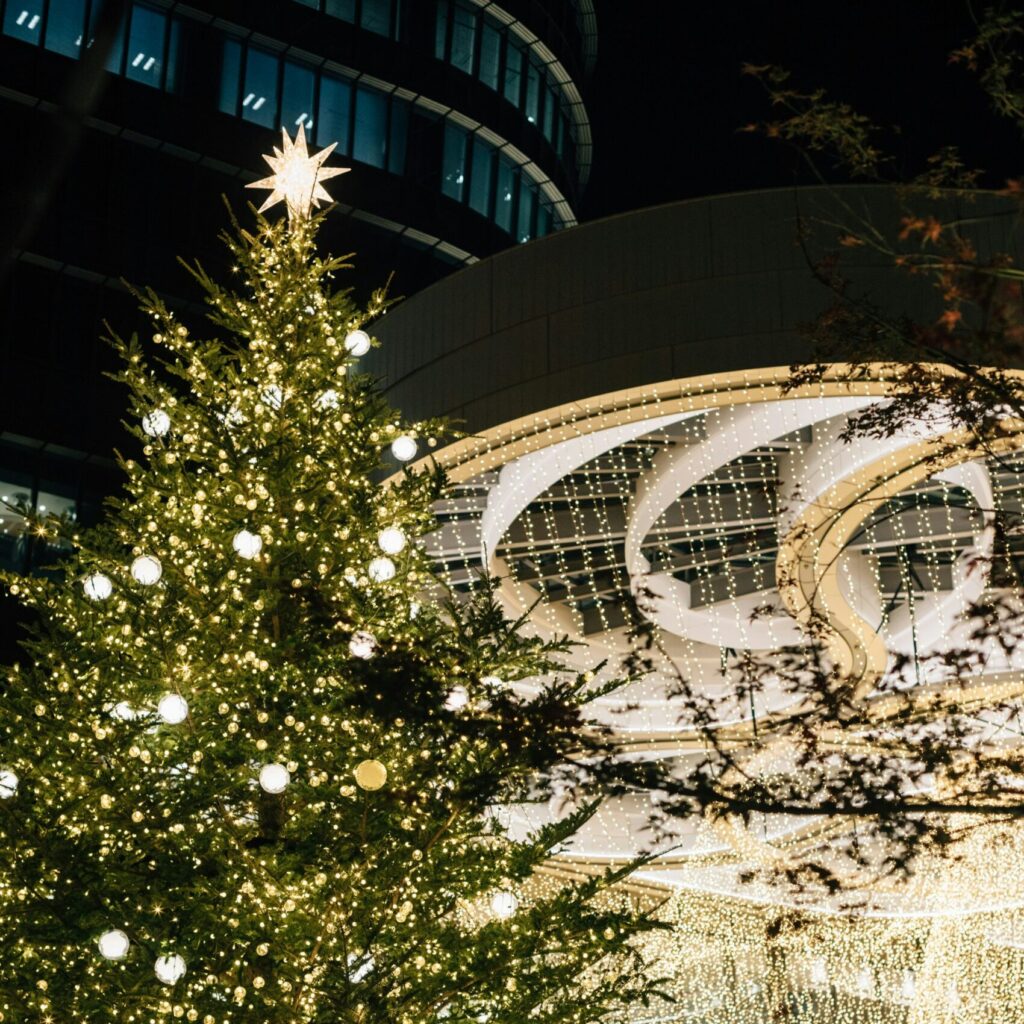
December brings Christmas. In Japan, many people are not Christian, but Christmas has become established not so much as a religious event as a warm occasion to spend time with family, partners, and friends. Going to see illuminations, preparing cake and fried chicken, and exchanging gifts—all of these lift the year-end mood even more.
The Buzz of Year-End Shopping
One thing you can’t miss in Shiwasu is the energy of year-end shopping. From department stores and shopping malls to local shopping streets and online stores, gift campaigns, sales, and lucky-bag announcements increase all at once, drawing crowds looking for “a reward for the year” or “preparations for the New Year.” Buying year-end gifts, souvenirs for going home, and groceries for family gatherings—shopping itself becomes part of the season, which is very much a modern Shiwasu vibe.
Bonenkai: Laughing It Off and Closing the Year
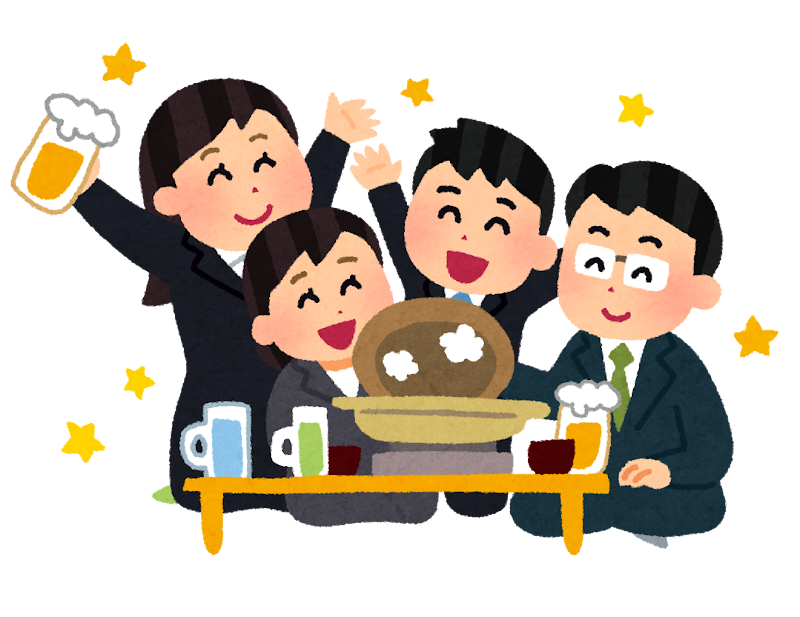
December is also the season for bonenkai, year-end parties. Sharing a table with coworkers and friends, acknowledging each other’s efforts, and saying “You did great this year” creates a small but meaningful sense of closure amid the busy days. Laughing together away from work can deepen relationships and bring fresh energy for the year ahead. Recently, styles have diversified too—smaller gatherings and online get-togethers are now common.
Preparing for the New Year (Big Cleaning & Decorations)
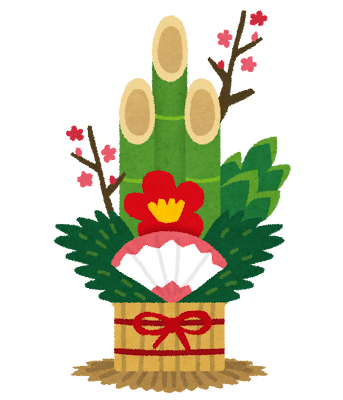
At the heart of Shiwasu is “preparing for the New Year.” Toward the end of the year, people do a deep cleaning to tidy every corner, clear out what they no longer need, and refresh their minds to welcome a new start. Many households also decorate the entrance with items such as shimenawa ropes, kagami mochi, and kadomatsu. These carry wishes like “welcoming the deity of the New Year” and “inviting good fortune.” Even in the middle of a busy month, having time to “reset and prepare” may be one reason the Japanese New Year feels like such a special milestone.
School Winter Break
Shiwasu is also when school winter break begins. For children, it’s an exciting long holiday, with more time for family trips, going back to their hometown, or simply relaxing at home. You’ll see more students around town, adding to the year-end bustle. At the same time, adults tend to be pressed by the last deadlines and “work wrap-up,” creating that very “December” feeling where family time and busyness coexist.
Where the Word “Shiwasu” Comes From
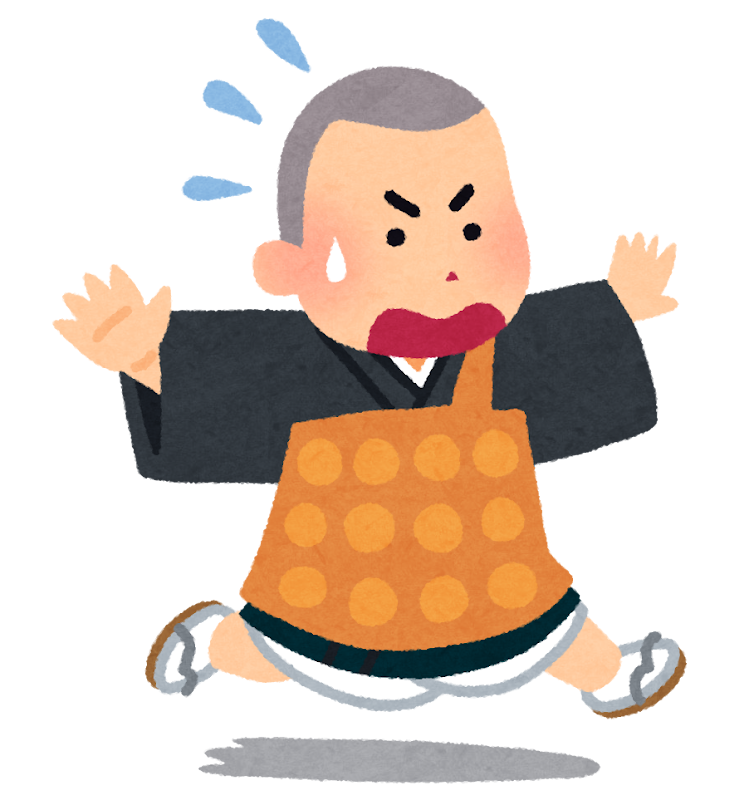
There are several theories about the origin of the word “Shiwasu,” but the best-known one says it means “a month so busy that even priests and monks (shi) have to run.” As year-end ceremonies and events increase, even those who are usually calm become rushed—and that image is said to have given December its name. Even today, with work, household chores, year-end shopping, bonenkai, and New Year preparations all piling up, “a hectic December” is a feeling many people share, which makes the word still resonate.
Looking Ahead: Wishing for a Great Year of the Horse
Christmas sparkle, the buzz of year-end shopping, laughter at bonenkai, preparations to welcome the New Year, and the start of winter break—together, they make Shiwasu the month that symbolizes the close of the year. May the coming Year of the Horse bring you strong momentum forward and pull good fortune closer—so everything goes well at a gallop.