
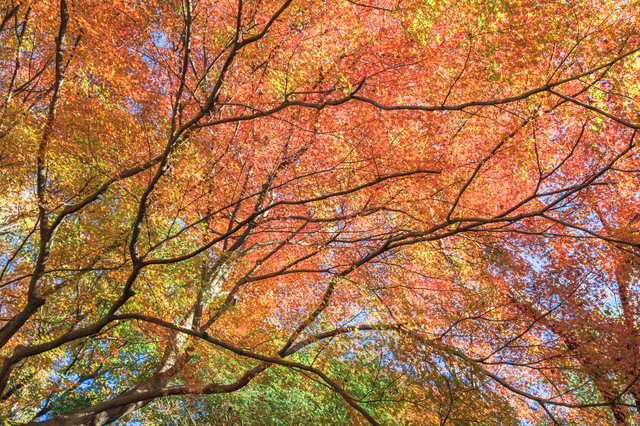

Some Japanese traditional crafts reveal their true beauty only when you look at them closely.
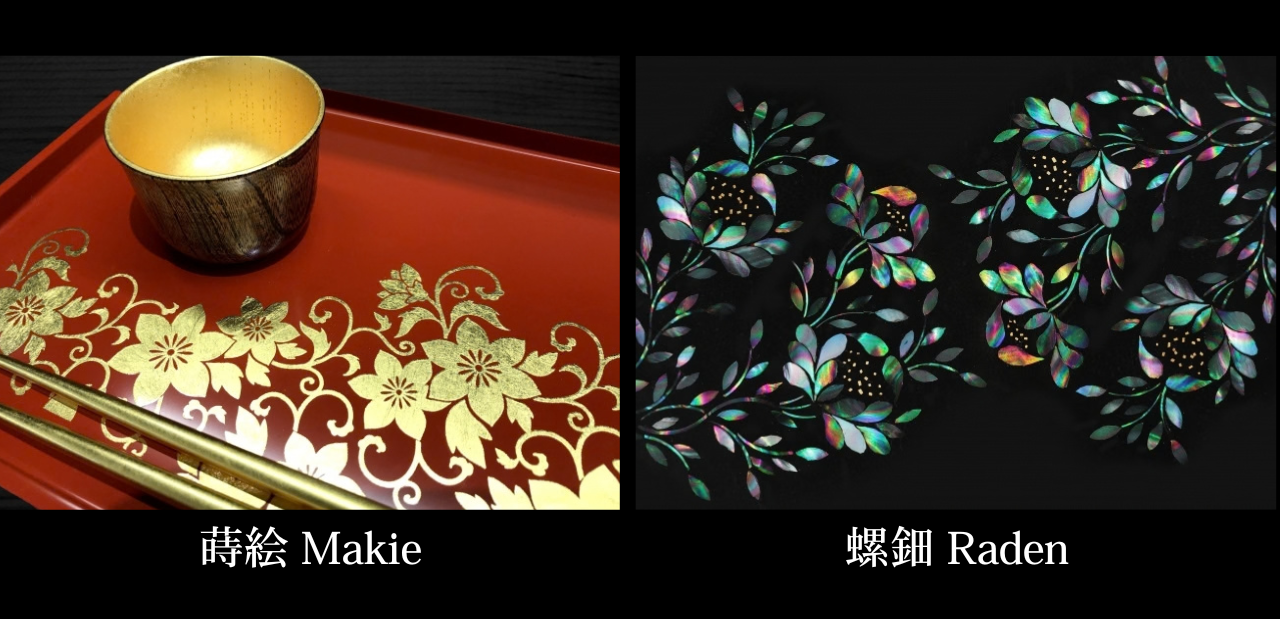
Japanese lacquerware is a perfect example.


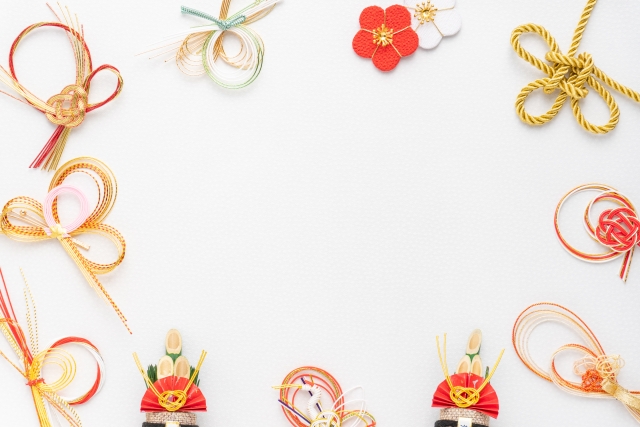
Have you ever seen beautifully tied decorative cords on envelopes or gifts in Japan?
They are called “mizuhiki,” a traditional Japanese decorative cord. At first glance, it may look like a Japanese-style ribbon, but mizuhiki is much more than simple decoration. It represents respect, good wishes, and the bond between people.
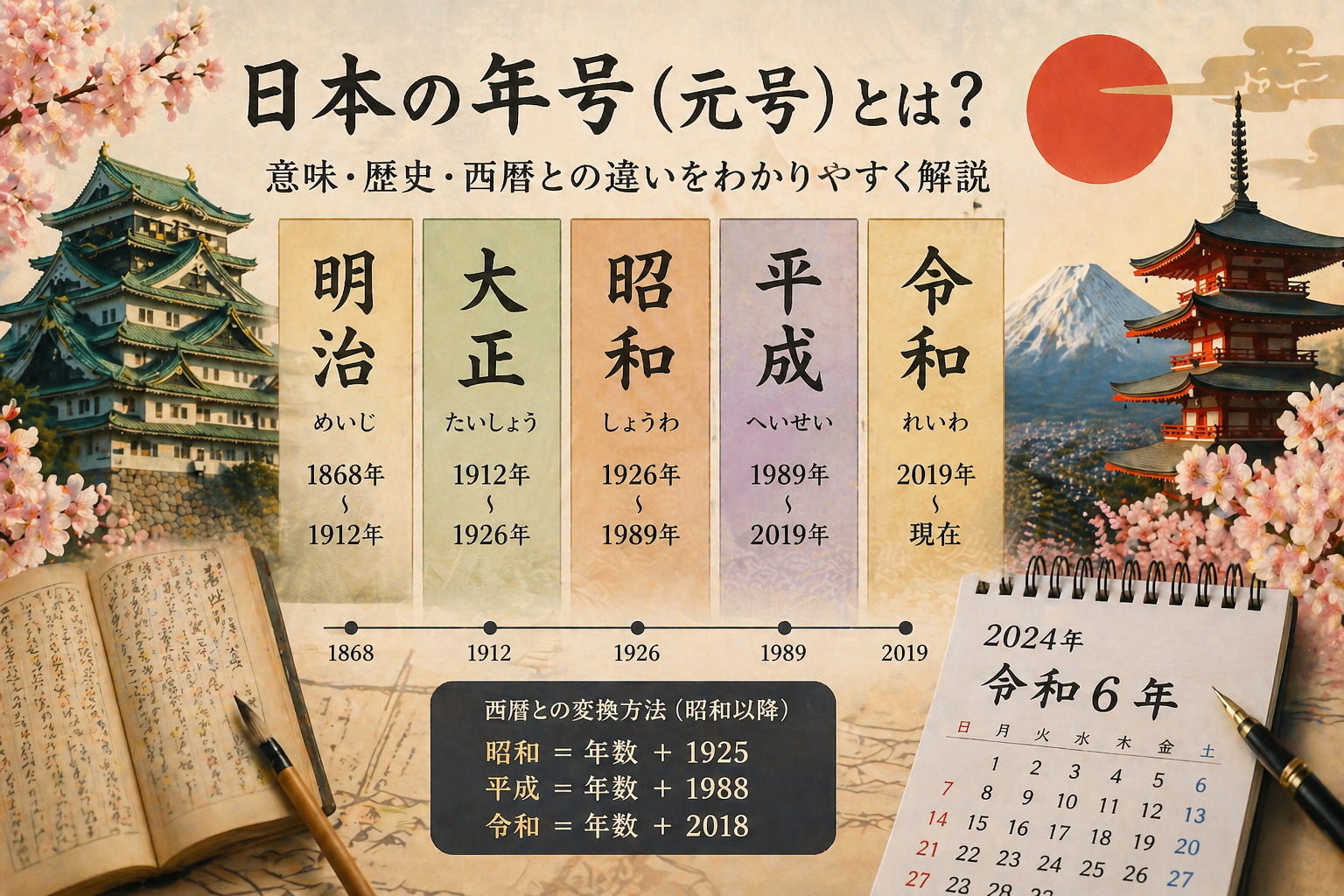
Japan uses not only the Western calendar, but also its own era name system called “gengō.”
For example, the year 2024 is written as “Reiwa 6” in Japan.
This can be confusing at first, but Japanese era names are an important part of Japanese history, culture, and everyday life.
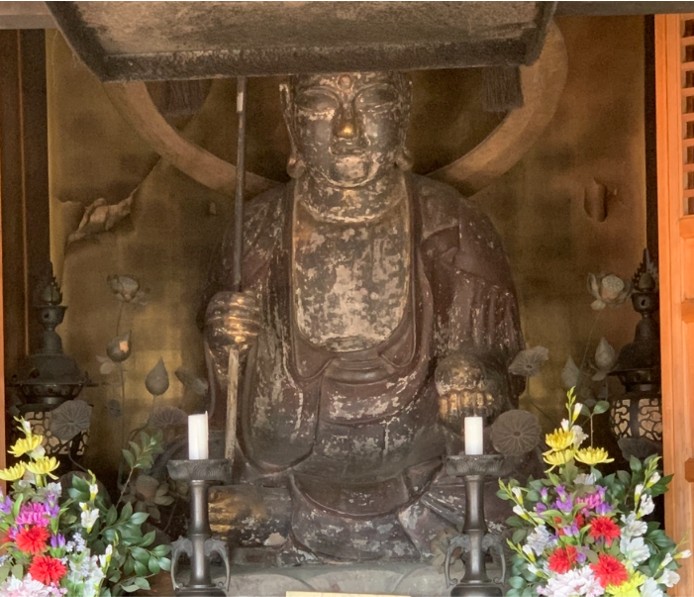
One of Kōfu’s most beloved winter traditions is the Yakuyoke Jizō Festival held at Entakuji Temple (塩澤寺). From noon on February 13 to noon on February 14, the temple grounds become lively for 24 hours as worshippers arrive from across Japan—making it one of the busiest and most energetic times of the year in the area.
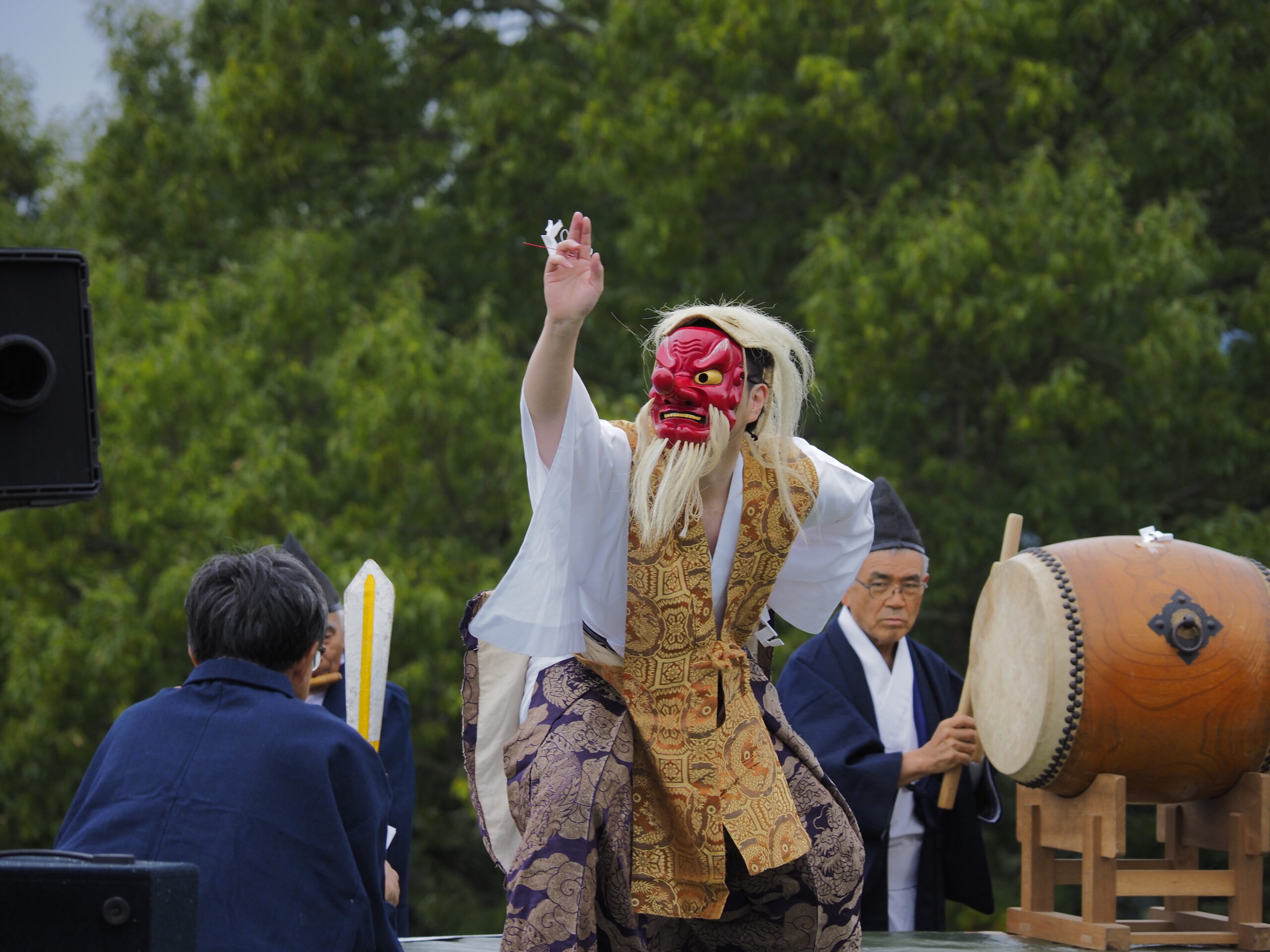
“A festival at a Jōmon site?” It may sound surprising at first. But at Umenoki Ruins Park, a nationally designated Jōmon historic site in Akeno, Hokuto City (Yamanashi), the atmosphere of ancient Japan makes music, dance, and food feel even more memorable—and that’s exactly what makes this event so special each year.
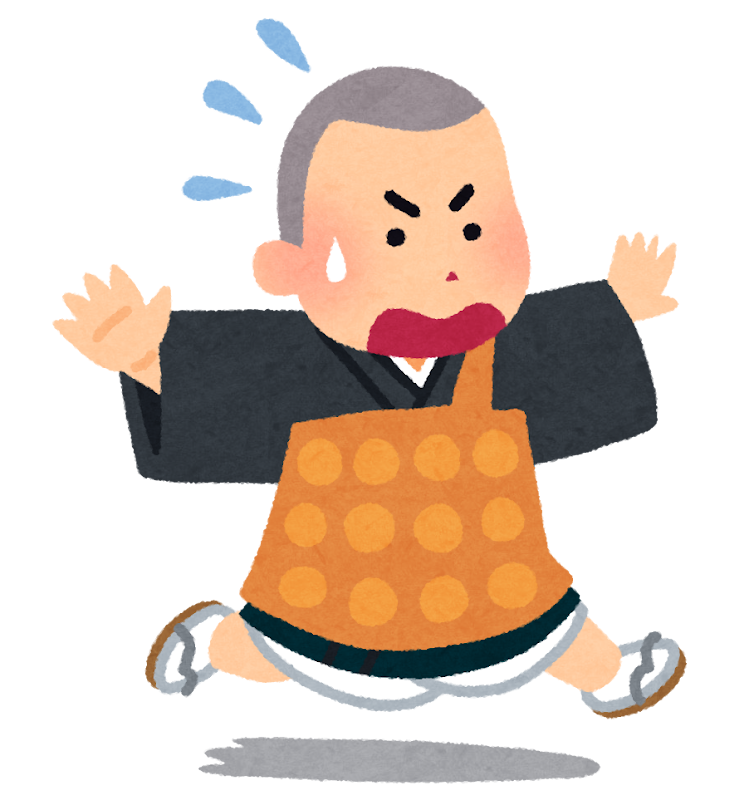
“Shiwasu” is the traditional Japanese name for December. As the year draws to a close, the atmosphere in the streets becomes gradually busier, and at the same time many people feel a special emotion—“So this year is ending, too.” What’s fascinating about December in Japan is how events enjoyed regardless of religious background naturally blend with long-standing year-end customs and modern-day liveliness.