Categories

169ddffc64a851_OMJILGPEQHKFN
PlayPause
previous arrow
next arrow
What Do “Itadakimasu” and “Gochisousama” Mean? Japanese Mealtime Culture Explained

What Do “Itadakimasu” and “Gochisousama” Mean? Japanese Mealtime Culture Explained

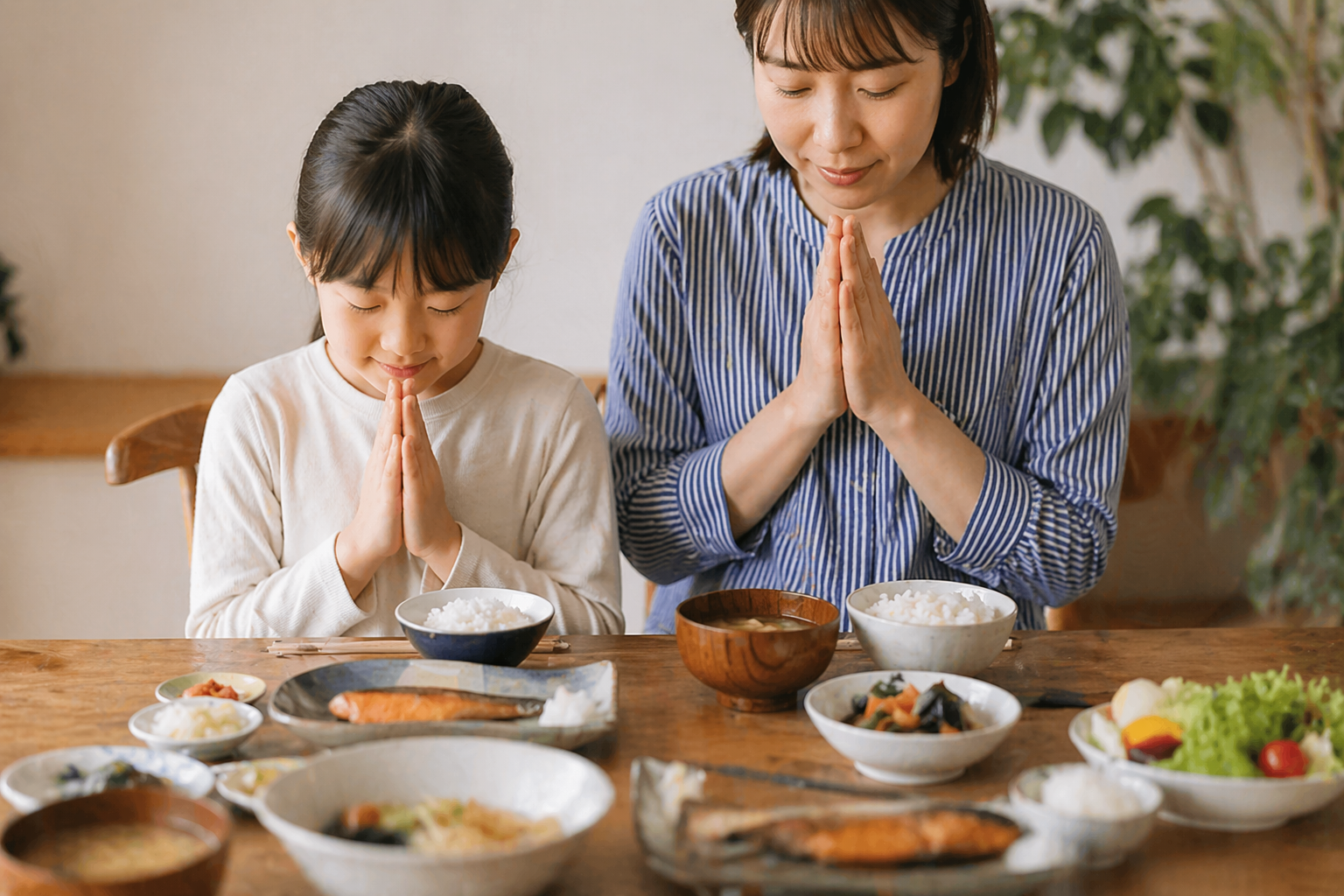
In Japan, people often say “Itadakimasu” before eating and “Gochisousama deshita” after finishing a meal.
These phrases are taught from childhood and are deeply rooted in everyday Japanese life.
To many foreigners, they may look like simple mealtime greetings, but they actually express gratitude, respect, and an awareness of life.
Share|分享|Chia sẻ|แบ่งปัน
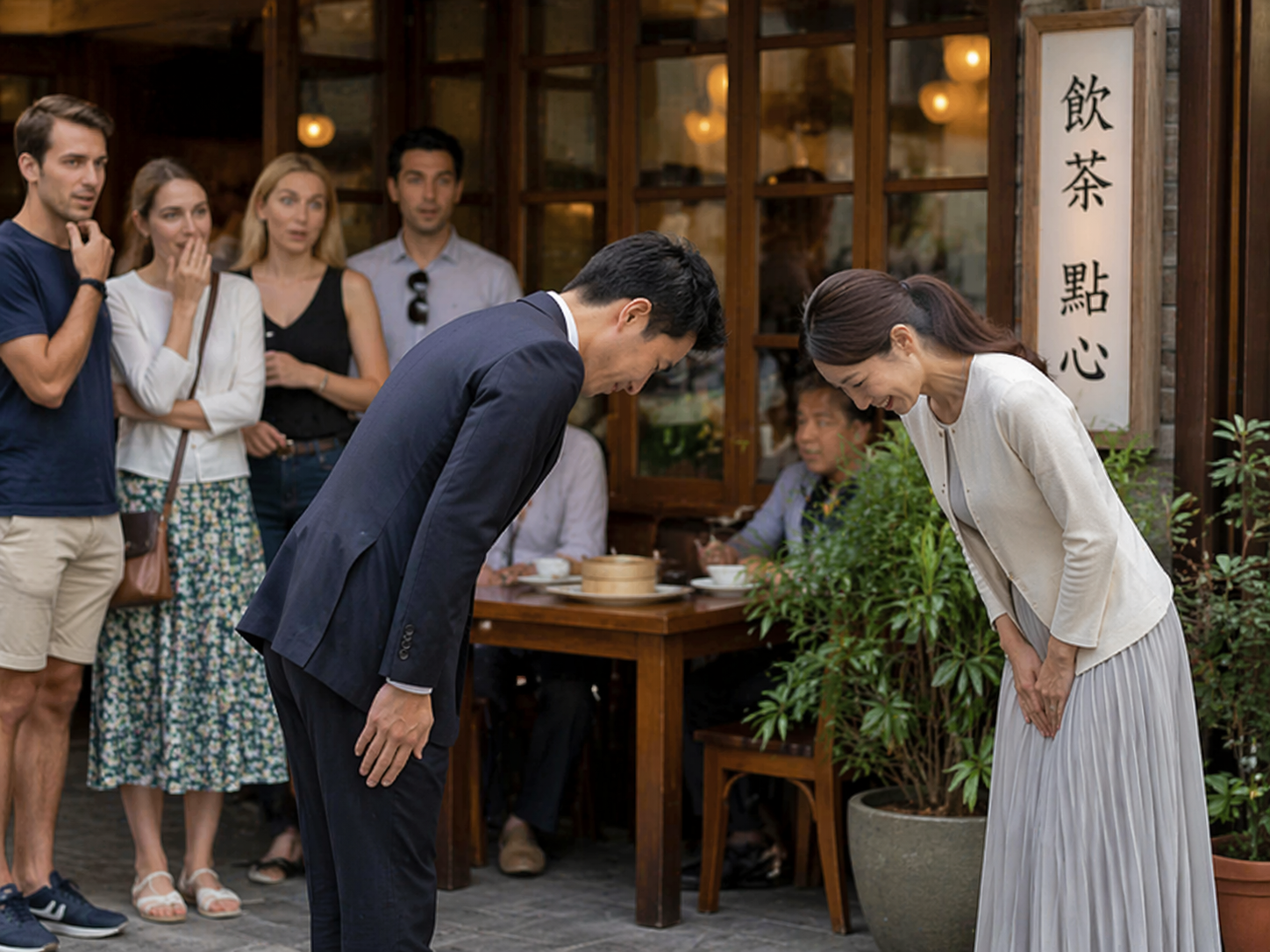
Why Do Japanese People Bow So Many Times? Understanding Japan’s Polite Culture

Why Do Japanese People Bow So Many Times? Understanding Japan’s Polite Culture

One thing that often surprises foreign visitors in Japan is how often Japanese people bow.
They bow not only when saying hello, but also during conversations and even several times when saying goodbye.
To outsiders, this may seem unusual.
But behind this custom lies a deeper Japanese way of expressing respect, gratitude, and social harmony.
Share|分享|Chia sẻ|แบ่งปัน
How to Choose the Right Onsen in Japan | Best Hot Springs by Health and Wellness Needs

How to Choose the Right Onsen in Japan | Best Hot Springs by Health and Wellness Needs

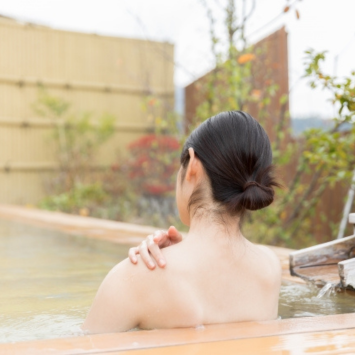
Japan has countless hot springs, and many travelers choose them for beautiful scenery or famous destinations.
Of course, there is nothing wrong with that. But for Japanese people, hot springs have long meant much more than a photogenic stop on a trip.
They are places to restore the body and calm the mind.
In this article, we will look at the history of Japanese hot spring culture, explain the different effects of hot spring water, and introduce how to choose an onsen based on the condition you want to improve.
Share|分享|Chia sẻ|แบ่งปัน
Why Spring Is So Special in Japan: A Season of Farewells and New Beginnings

Why Spring Is So Special in Japan: A Season of Farewells and New Beginnings

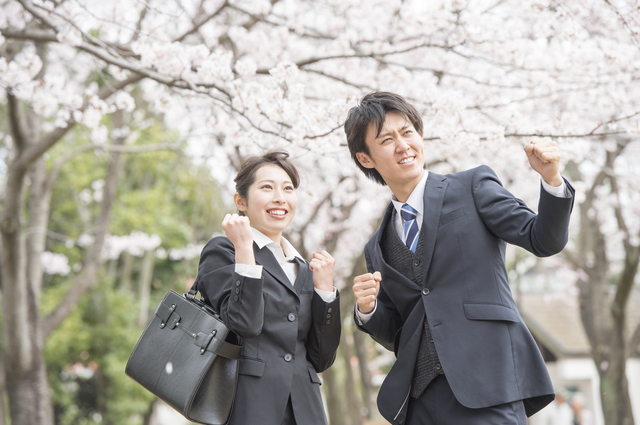
In Japan, spring is more than just a change of season. It is a special time of year filled with important turning points in life.

From March to April, many kinds of change take place across Japan.

Share|分享|Chia sẻ|แบ่งปัน
My First Miso-Making Experience: A Day of Discovering Japanese Life

My First Miso-Making Experience: A Day of Discovering Japanese Life

One day in March, I joined a miso-making workshop held in a local community in Japan.

Miso is an essential part of Japanese food culture. I eat it regularly, but this was the first time I had ever experienced how it is actually made.

Share|分享|Chia sẻ|แบ่งปัน
Kōfu’s Biggest Winter Crowd: Entakuji Temple’s Yakuyoke Jizō Festival

Kōfu’s Biggest Winter Crowd: Entakuji Temple’s Yakuyoke Jizō Festival

One of Kōfu’s most beloved winter traditions is the Yakuyoke Jizō Festival held at Entakuji Temple (塩澤寺). From noon on February 13 to noon on February 14, the temple grounds become lively for 24 hours as worshippers arrive from across Japan—making it one of the busiest and most energetic times of the year in the area.

Share|分享|Chia sẻ|แบ่งปัน
Enjoy World Music, Dance, and Food at a Jōmon Archaeological Site

Enjoy World Music, Dance, and Food at a Jōmon Archaeological Site

“A festival at a Jōmon site?” It may sound surprising at first. But at Umenoki Ruins Park, a nationally designated Jōmon historic site in Akeno, Hokuto City (Yamanashi), the atmosphere of ancient Japan makes music, dance, and food feel even more memorable—and that’s exactly what makes this event so special each year.

Share|分享|Chia sẻ|แบ่งปัน