


One day in March, I joined a miso-making workshop held in a local community in Japan.
Miso is an essential part of Japanese food culture. I eat it regularly, but this was the first time I had ever experienced how it is actually made.
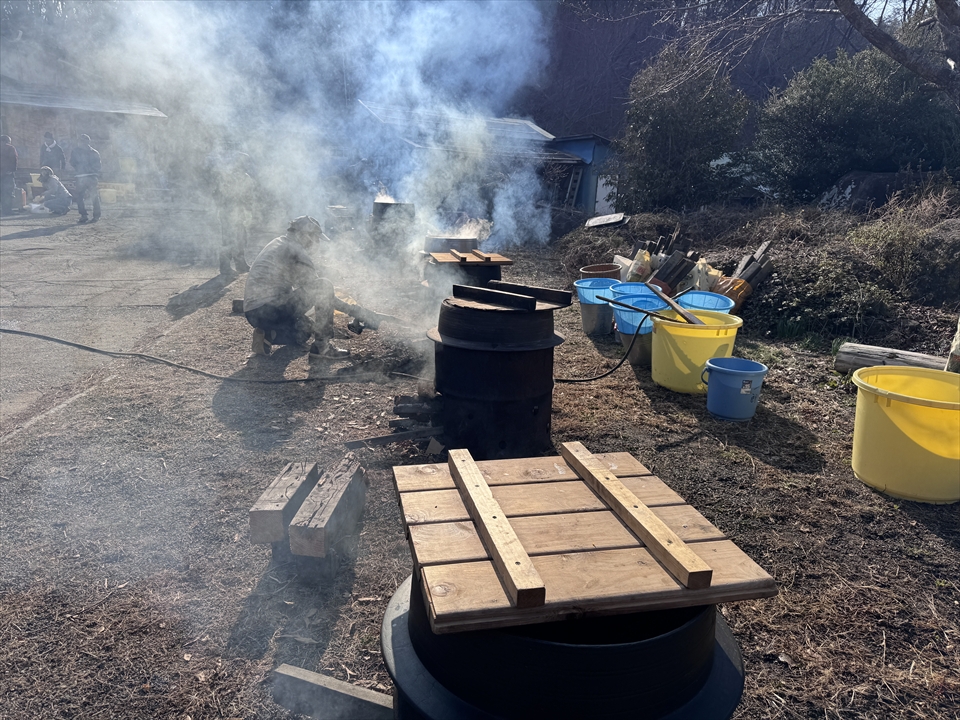
Surprisingly Simple Process
The process of making miso was much simpler than I had imagined.
- Boil soybeans until they are soft enough to crush with your fingers
- Mash the soybeans and let them cool below 60°C
- Mix in koji and salt, adjusting the texture with some of the soybean cooking liquid
- Shape the mixture into balls and pack it tightly into a container so that no air remains
- Smooth the surface, disinfect it, and seal the container
- Store it in a cool, dark place for about 10 months
-
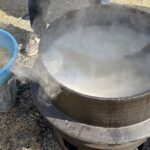
- 1
-

- 2
-
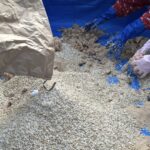
- 3
-
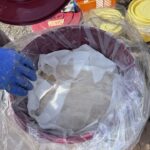
- 4,5
At first glance, it may sound easy enough for anyone to do.
Simple, Yet Deeply Complex
However, once I learned more, I realized that miso-making is actually a very deep craft.
- The type and quality of soybeans
- The balance of salt and koji
- Temperature and humidity control
- The timing of fermentation and aging
Even if the process looks simple, the final taste can vary greatly depending on these factors. That is what makes miso-making so fascinating.
The Beauty of Community Cooperation
What impressed me most was not only the process itself, but the way local people worked together.
From gathering soybeans to preparing ingredients, sharing tasks, and cleaning up afterward, everything was done cooperatively. It took about two days from preparation to completion.
This made me feel the warmth of Japanese local culture and the value of community relationships.
A New Way to Appreciate Food
Before this experience, miso was simply something I ate. But making it with my own hands changed the way I see it.
I was able to feel how much time, effort, and cultural knowledge go into something that often seems so ordinary.
Looking Forward to 10 Months Later
The miso we prepared will be ready in about 10 months. I am already excited to find out what kind of flavor it will develop.
This experience taught me not only about Japanese food culture, but also about the importance of human connection. For someone who had only enjoyed eating miso, being able to experience the making of it was truly special.