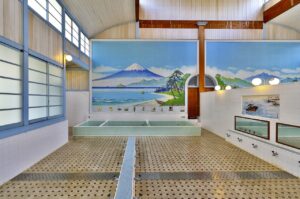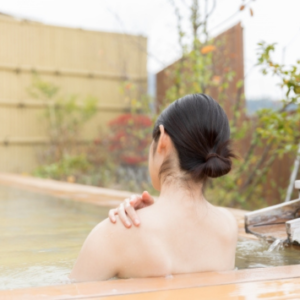
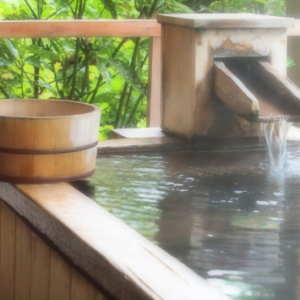
Japan has countless hot springs, and many travelers choose them for beautiful scenery or famous destinations.
Of course, there is nothing wrong with that. But for Japanese people, hot springs have long meant much more than a photogenic stop on a trip.
They are places to restore the body and calm the mind.
In this article, we will look at the history of Japanese hot spring culture, explain the different effects of hot spring water, and introduce how to choose an onsen based on the condition you want to improve.
The history of onsen in Japan | Why do Japanese people visit hot springs?
Japanese hot spring culture is not simply about relaxation.
For centuries, hot springs have been used to recover from fatigue, help the body heal, and maintain good health. Historical records from ancient Japan already mention hot springs, showing that people valued them as places of healing.
During the Edo period, a custom called toji became common. This meant staying in a hot spring town for several days or even weeks, bathing regularly, and allowing the body to recover slowly.
In other words, onsen were never only luxury travel spots. They were part of everyday life and traditional healthcare.
What are the benefits of onsen? | More than just warm water
The appeal of onsen is not only that the water is hot.
There are two major reasons people value hot springs. First, warm water itself improves circulation, relaxes muscles, and helps reduce fatigue. Second, each spring contains different minerals, and those minerals are believed to create different effects.
For example, sulfur springs are often associated with skin care, carbonated springs are known for supporting circulation, and salt-rich springs help keep the body warm even after bathing.
This means that not all hot springs are the same. The type of water matters.
Best hot springs for fatigue recovery and stress relief
If you want to recover from travel fatigue or reduce daily stress, simple hot springs and carbonated springs are often recommended.
Simple hot springs are gentle on the body, making them suitable even for people who are not used to onsen. Carbonated springs provide a mild stimulation and are often enjoyed slowly for a calming experience.
Gero Onsen and Nagayu Onsen are often mentioned as good examples for travelers looking for a gentle and restorative bath.
Best hot springs for poor circulation and sensitivity to cold
If you often feel cold in your hands and feet or worry about poor circulation, chloride springs and bicarbonate springs may be good choices.
Chloride springs are known for helping the body stay warm after bathing. Bicarbonate springs tend to feel soft on the skin while gently warming the body.
Beppu Onsen and Arima Onsen are well known among travelers seeking warmth and comfort.
Best hot springs for beauty and skin care
Many people connect onsen with beauty. In that case, sulfur springs and alkaline simple springs are often introduced as attractive options.
Sulfur springs have a distinctive smell, but they give a strong sense of what a traditional hot spring feels like. Alkaline simple springs are often known as “beauty baths” because many visitors say their skin feels smoother after bathing.
Ureshino Onsen, Tamatsukuri Onsen, and Gero Onsen are often recommended for people interested in skin care.
Best hot springs for joint pain and muscle pain
If you feel pain in your shoulders, lower back, joints, or muscles, sulfate springs and radon-related springs are often mentioned in Japan.
These types of hot springs have long been associated with toji, the traditional practice of staying for treatment and rest. Instead of rushing through many tourist spots, some travelers choose to stay in one hot spring town and spend time slowly recovering.
Misasa Onsen and Noboribetsu Onsen are often introduced in connection with traditional therapeutic hot spring culture.
A new way to choose an onsen | Not by fame, but by your needs
Many travelers choose a hot spring destination by asking, “Which onsen is famous?” But a more meaningful question may be, “What do I want to improve?”
Do you want to recover from fatigue? Improve circulation? Take care of your skin? Depending on the answer, the best onsen for you may be very different.
Looking beyond popularity and scenery allows you to enjoy Japanese hot spring culture in a much deeper way.
Onsen guide by purpose | Quick reference table
| Purpose or concern | Recommended spring type | Reference hot spring destinations |
|---|---|---|
| Fatigue recovery / stress relief | Simple hot springs, carbonated springs | Gero Onsen, Nagayu Onsen |
| Poor circulation / sensitivity to cold | Chloride springs, bicarbonate springs | Beppu Onsen, Arima Onsen |
| Beauty / skin care | Sulfur springs, alkaline simple springs | Ureshino Onsen, Tamatsukuri Onsen, Gero Onsen |
| Joint pain / muscle pain | Sulfate springs, radon-related springs | Misasa Onsen, Noboribetsu Onsen |
Conclusion
Onsen are not only places for beautiful scenery. In Japan, they have long been valued as places to restore the body and calm the mind.
Going because a place is famous or photogenic is one way to travel. But next time, try choosing a hot spring based on what your body needs.
That choice may turn your trip into a much deeper experience of Japan.