Culture,Art

Mt. Fuji - Yamanashi
PlayPause
Mt. Fuji - Yamanashi
Itsukushima Shrine - Hiroshima
Stone Buddhist image - Anywhere
God of Cereals - Anywhere
previous arrow
next arrow
Kōfu’s Biggest Winter Crowd: Entakuji Temple’s Yakuyoke Jizō Festival

Kōfu’s Biggest Winter Crowd: Entakuji Temple’s Yakuyoke Jizō Festival

One of Kōfu’s most beloved winter traditions is the Yakuyoke Jizō Festival held at Entakuji Temple (塩澤寺). From noon on February 13 to noon on February 14, the temple grounds become lively for 24 hours as worshippers arrive from across Japan—making it one of the busiest and most energetic times of the year in the area.
Share|分享|Chia sẻ|แบ่งปัน
Enjoy World Music, Dance, and Food at a Jōmon Archaeological Site

Enjoy World Music, Dance, and Food at a Jōmon Archaeological Site

“A festival at a Jōmon site?” It may sound surprising at first. But at Umenoki Ruins Park, a nationally designated Jōmon historic site in Akeno, Hokuto City (Yamanashi), the atmosphere of ancient Japan makes music, dance, and food feel even more memorable—and that’s exactly what makes this event so special each year.
Share|分享|Chia sẻ|แบ่งปัน
Shiwasu (December in Japan): Why the Last Month Feels So Special

Shiwasu (December in Japan): Why the Last Month Feels So Special

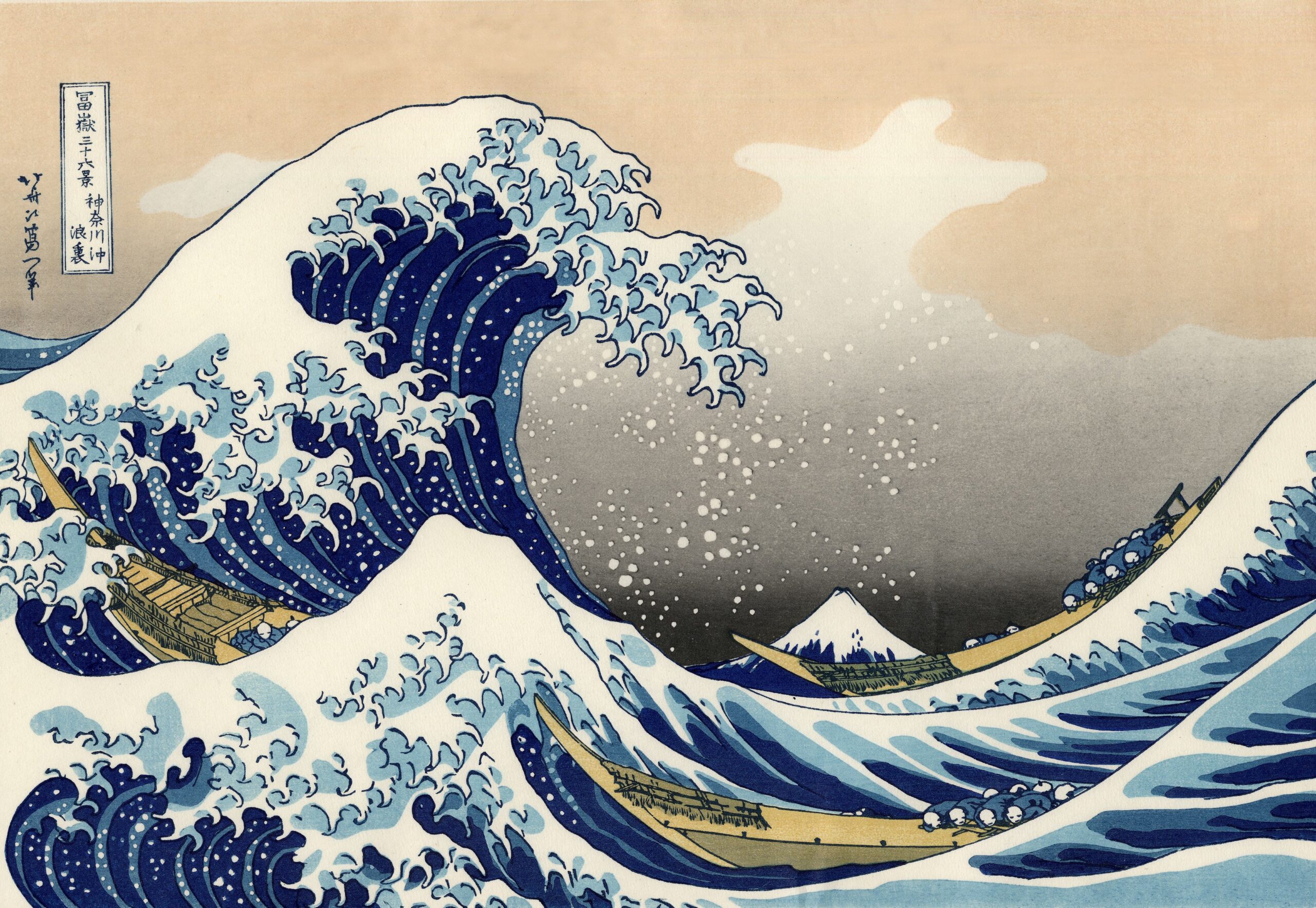
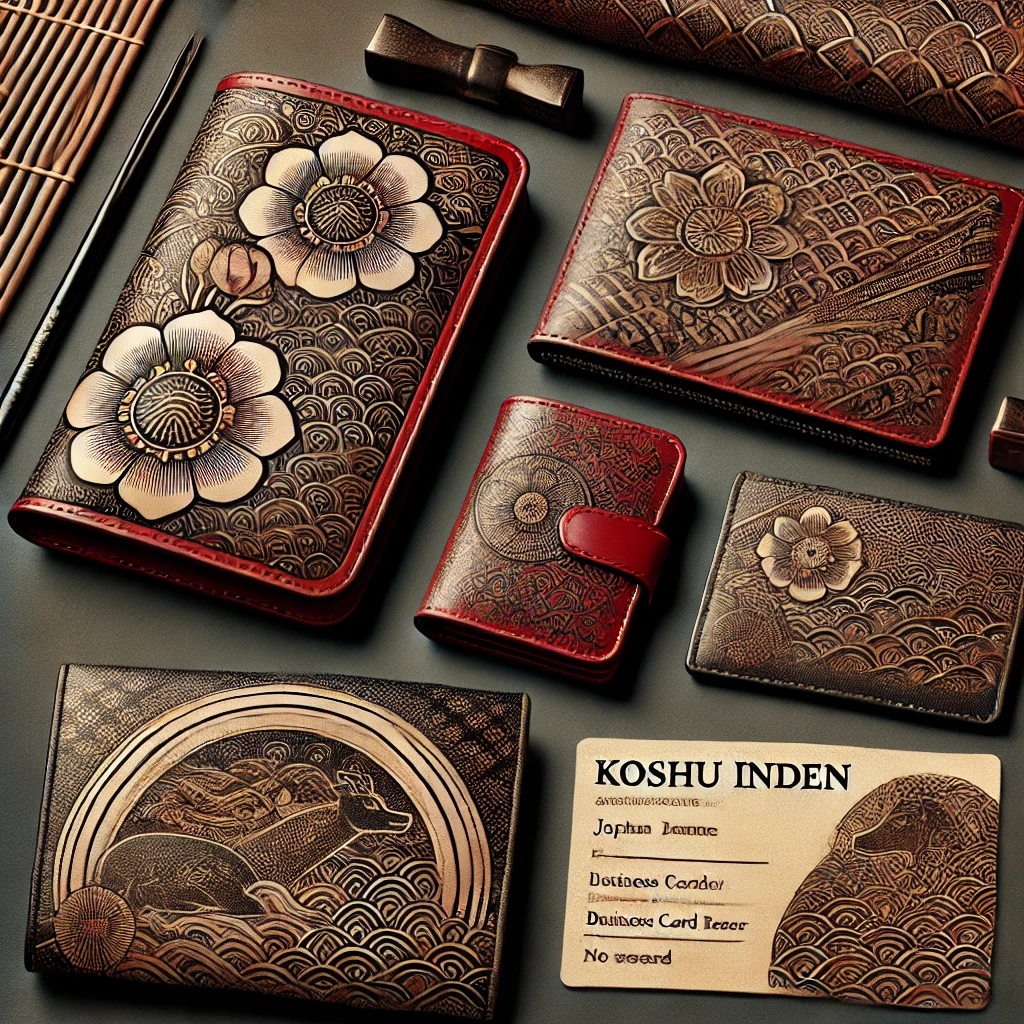
“Shiwasu” is the traditional Japanese name for December. As the year draws to a close, the atmosphere in the streets becomes gradually busier, and at the same time many people feel a special emotion—“So this year is ending, too.” What’s fascinating about December in Japan is how events enjoyed regardless of religious background naturally blend with long-standing year-end customs and modern-day liveliness.
Share|分享|Chia sẻ|แบ่งปัน
Traditional Japanese Woodblock Prints: “Ukiyo-e”

Traditional Japanese Woodblock Prints: “Ukiyo-e”

Origins and Historical Background of Ukiyo-e Ukiyo-e is a traditional Japanese woodblock print and painting that emerged during the late 17th century in the Edo period. Initially, it depicted the daily lives, landscapes, actors, and beauties of the time, gaining…

Share|分享|Chia sẻ|แบ่งปัน
The Appeal of Koshu Inden

The Appeal of Koshu Inden

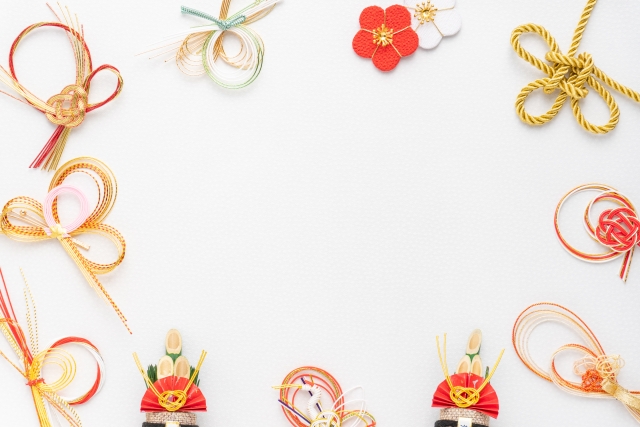
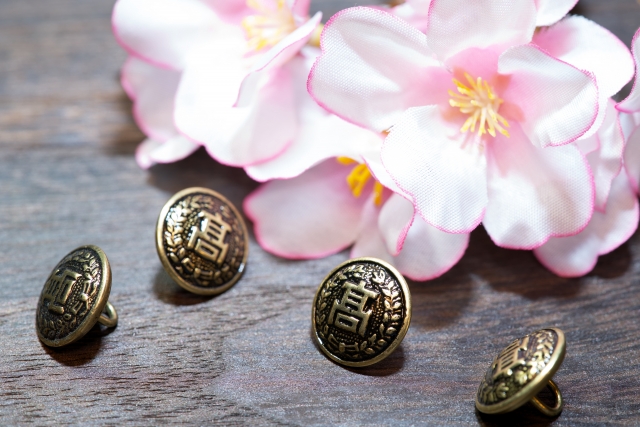
Koshu Inden is a traditional craft originating from Kofu City in Yamanashi Prefecture, with a history spanning approximately 400 years. The term “Inden” means “pattern” and “transmit.” Originally, it was used as decorative items for samurai in Koshu during battles. Techniques brought from India were uniquely developed in the Kai Province (now Yamanashi Prefecture), which eventually became known as today’s Koshu Inden.
Share|分享|Chia sẻ|แบ่งปัน
The graduation season in Japan

The graduation season in Japan

Late March marks the beginning of the graduation season. Instead of starting a new school year in September as in many countries, the new school year in Japan starts in April, so many graduation ceremonies are held at the end of in March.

Share|分享|Chia sẻ|แบ่งปัน
White Day
White Day

White Day

I’m sure everyone is familiar with Valentine’s Day, but have you heard of White Day? This is a unique holiday to Japan that takes place on March 14th, one month after Valentine’s Day. In western countries, Valentine’s Day is a…

Share|分享|Chia sẻ|แบ่งปัน
How to celebrate the “Girl’s Day”?

How to celebrate the “Girl’s Day”?

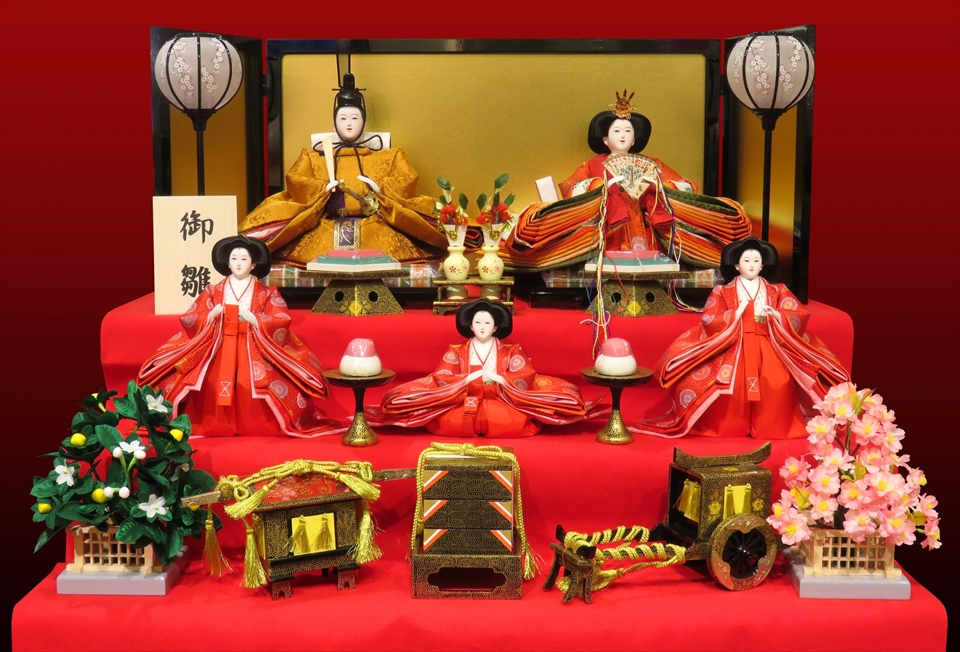
I thought the International Women’s Day on March 8 is probably the most well-known anniversary for women, but after coming to Japan, I learned that there is an annual event in Japan called Hinamatsuri (Gril’s Day/Doll’s Festival), which celebrates the growth of girls from far back in time. I feel that this one is more well-known in Japan.

Share|分享|Chia sẻ|แบ่งปัน