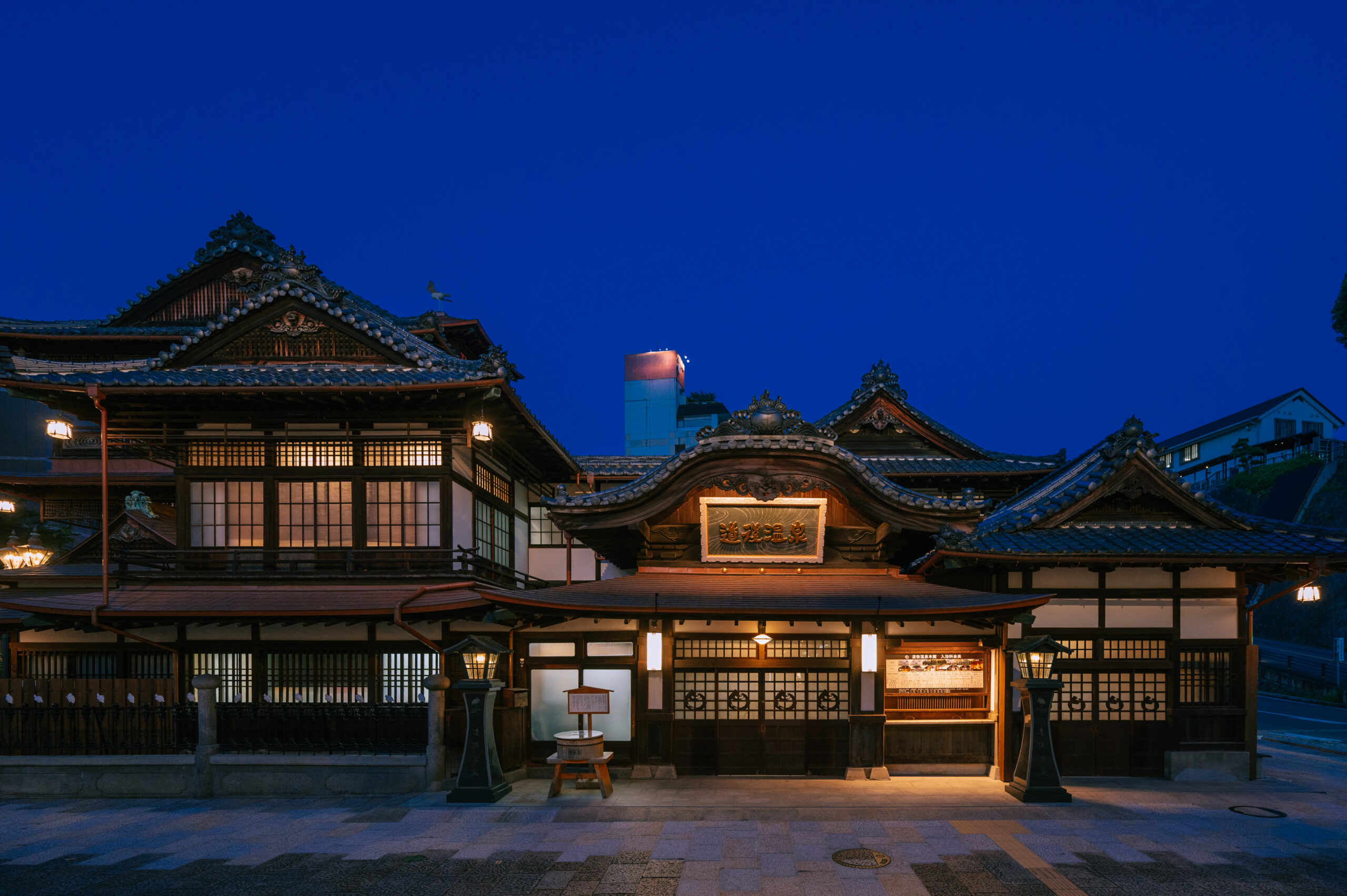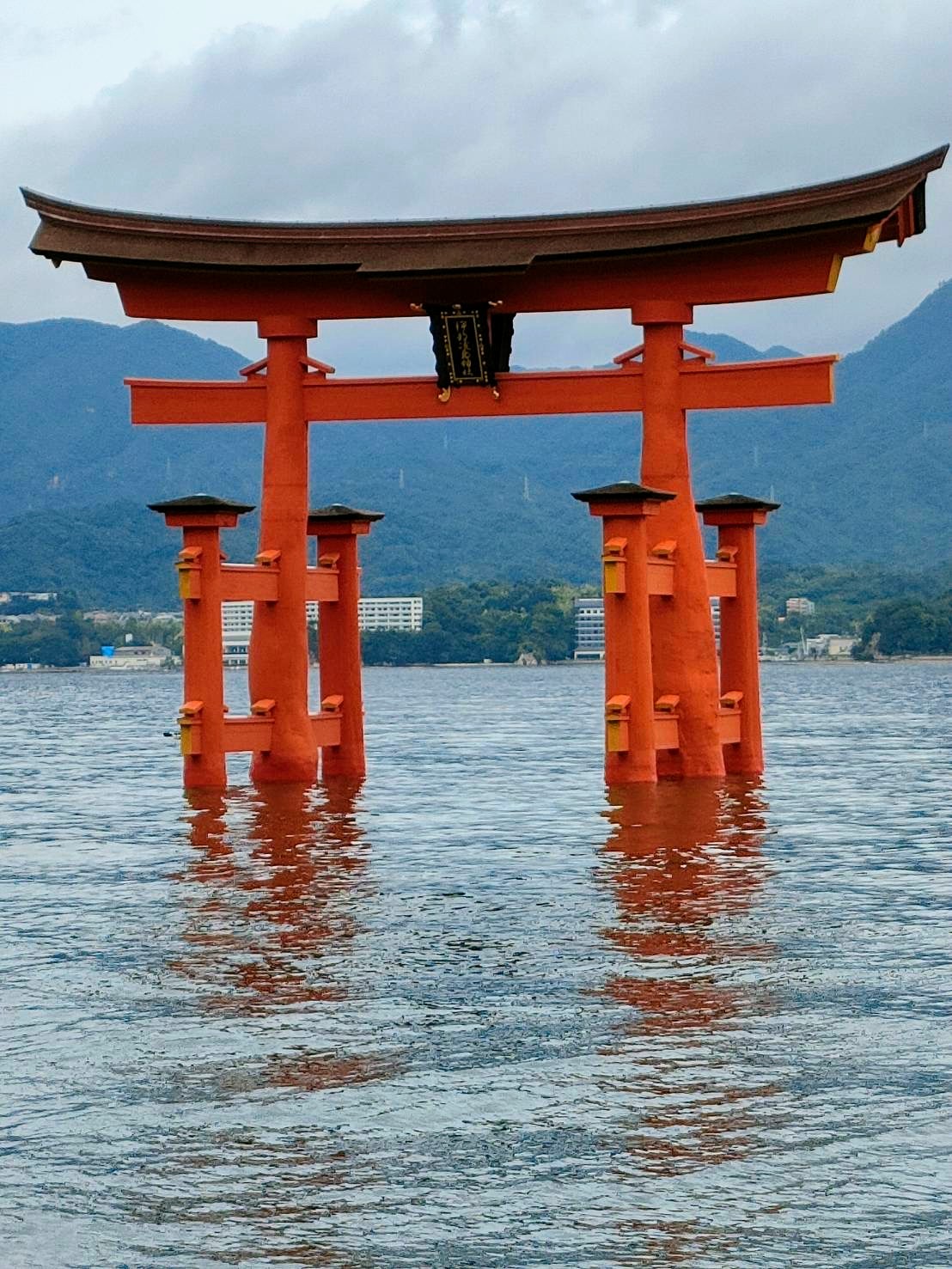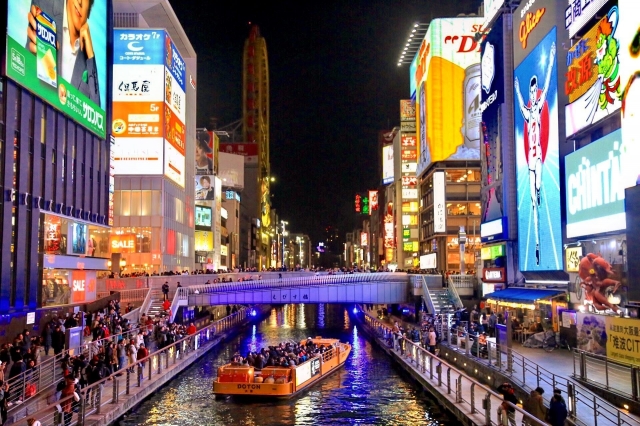
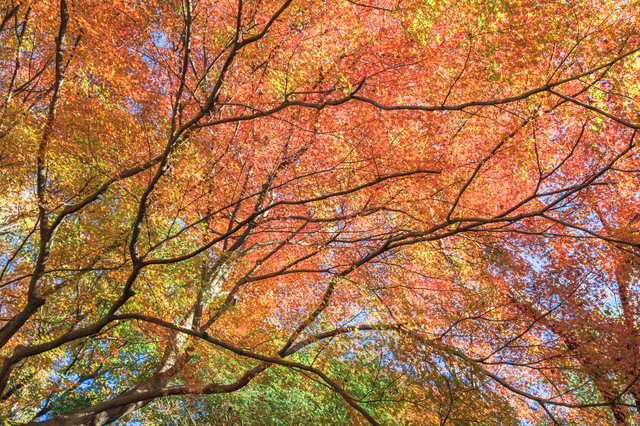
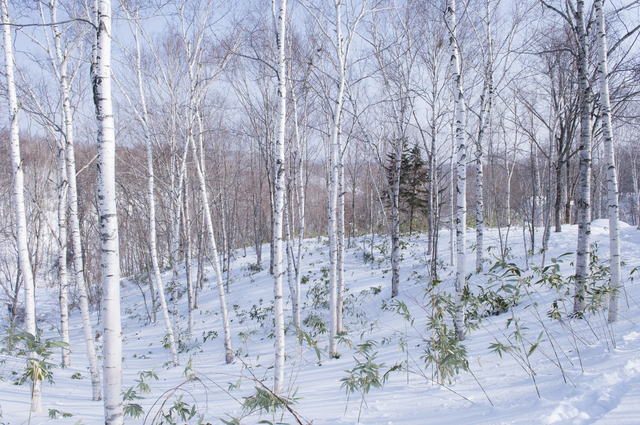
Kansai combines the historic culture of Kyoto and Nara, the vibrant food and entertainment of Osaka, the port scenery of Kobe, and the natural beauty of Lake Biwa and Mt. Koya.


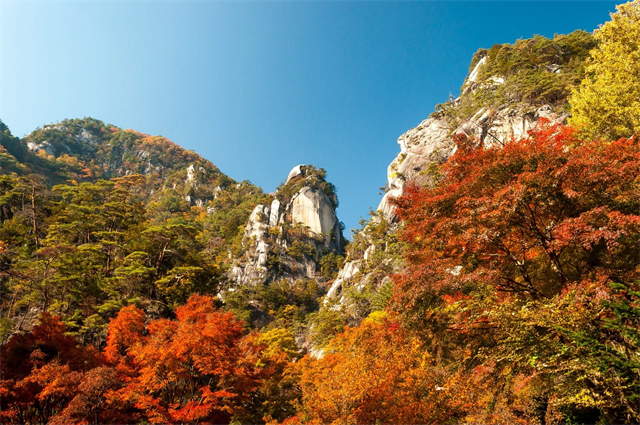
The Chubu region features the Japanese Alps, historic towns, the Sea of Japan, Mt. Fuji, and Yamanashi’s famed fruits and wine. Feel tradition in Kanazawa and Takayama, learn history in Shirakawa-go and Matsumoto Castle, and enjoy nature at the Fuji Five Lakes, Shosenkyo Gorge, and the Yatsugatake Highlands.

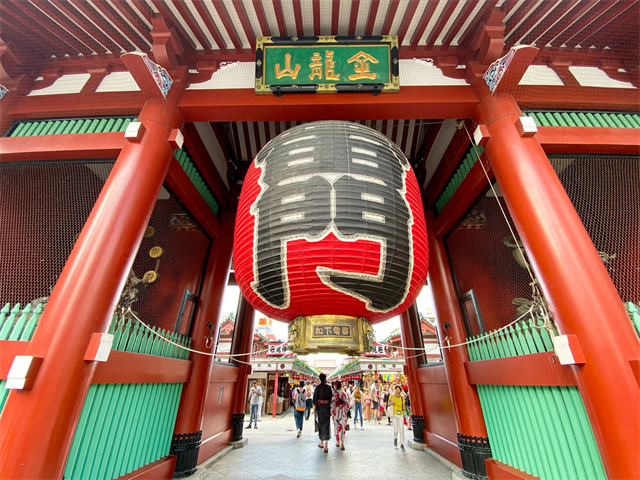
The Kanto region, centered on Tokyo, offers a wide range of attractions: historic temples and shrines, modern cityscapes, mountains, seasides, and hot springs. Feel history in Asakusa and Kamakura, enjoy nature and hot springs in Nikko and Hakone, and experience modern urban sights in Yokohama or Odaiba.

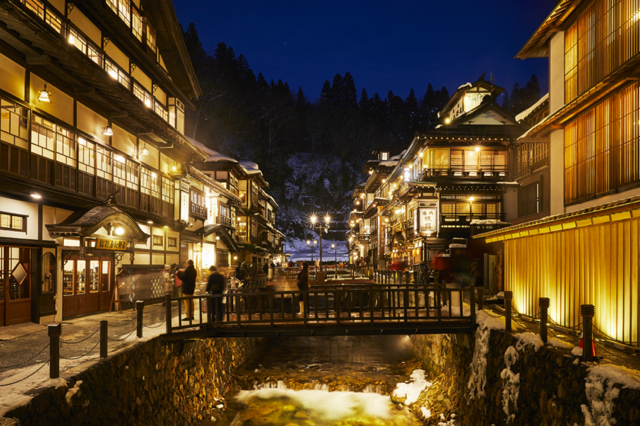
The Tohoku region offers magnificent nature, four distinct seasons, historic culture, hot springs, and great local food. Highlights include Lake Towada and Oirase Gorge (Aomori), Chuson-ji Golden Hall (Iwate), Matsushima (Miyagi), Yamadera (Yamagata), Kakunodate samurai district (Akita), and Ouchi-juku (Fukushima).

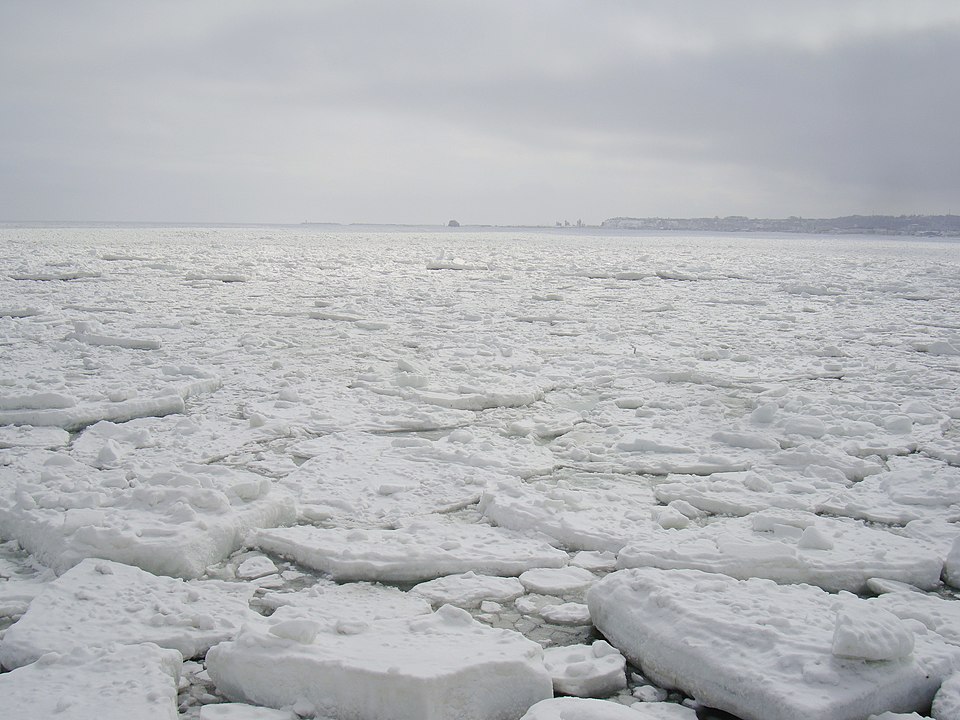
The Eastern Hokkaido area offers incredible experiences: the misty Kushiro Marshland, the mystical lakes Mashu and Kussharo, the drift ice of the Okhotsk Sea, and the dynamic wilderness of World Heritage-listed Shiretoko.
This model course is designed to be enjoyed by public transport (JR Senmo Line and buses). Each day starts at 9:00 AM and ends at 6:00 PM, allowing travelers to experience lakes, marshes, the sea, hot springs, and local food at a comfortable pace.

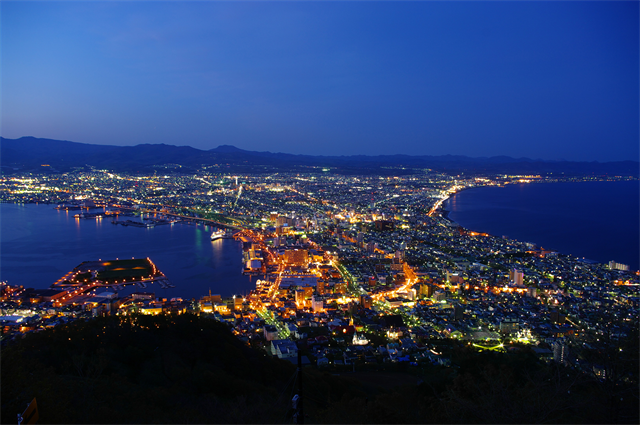
Southern Hokkaido is packed with highlights—from Hakodate’s beautiful night view and Western-style streets, to Noboribetsu’s dramatic Hell Valley, and the stunning nature of Lake Toya and the Shakotan Peninsula.
This model course allows you to efficiently explore the region by public transport while enjoying Hokkaido’s famous hot springs and fresh seafood.


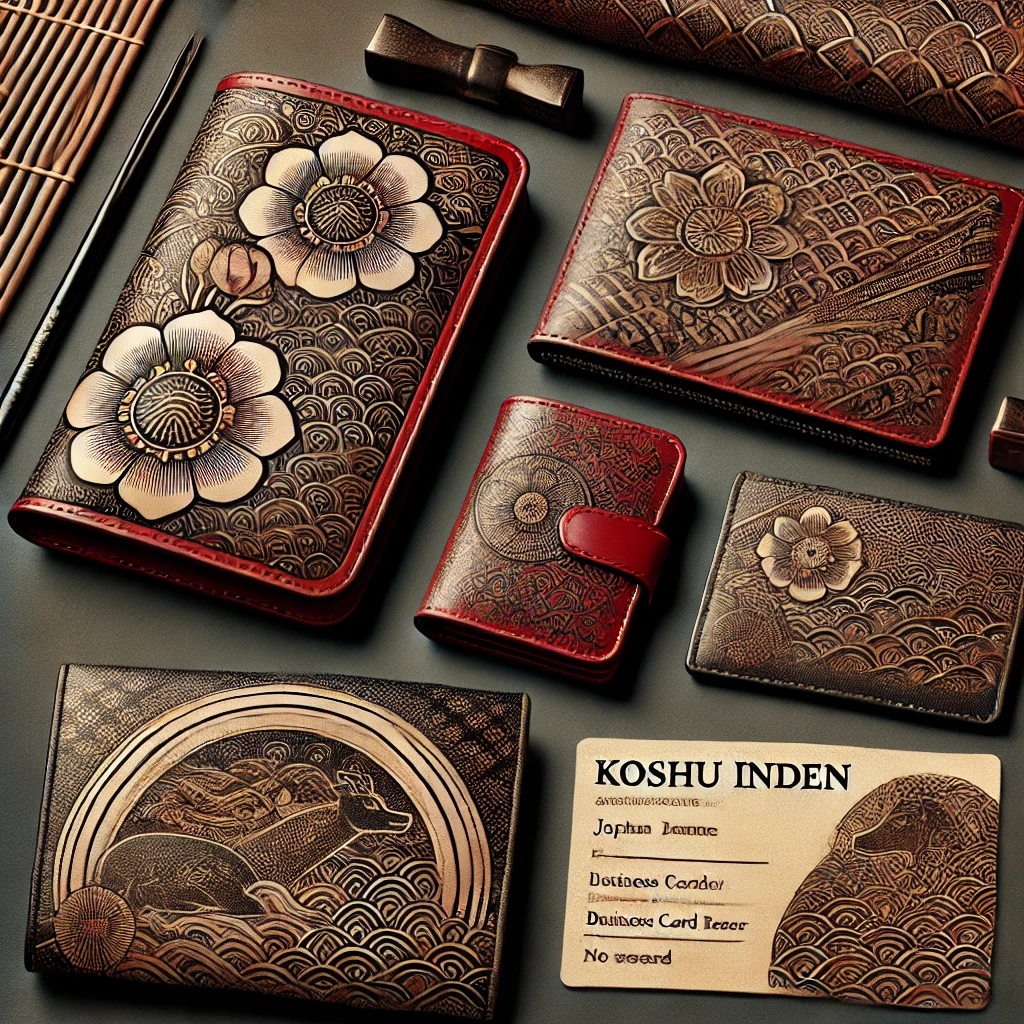
Koshu Inden is a traditional craft originating from Kofu City in Yamanashi Prefecture, with a history spanning approximately 400 years. The term “Inden” means “pattern” and “transmit.” Originally, it was used as decorative items for samurai in Koshu during battles. Techniques brought from India were uniquely developed in the Kai Province (now Yamanashi Prefecture), which eventually became known as today’s Koshu Inden.


In Japan, there is a long-standing tradition of public hot spring baths called “sentō.”
Sentō is loved by many people as part of Japan’s bathing culture and community.
In this article, we will introduce the charm and enjoyment of Japanese sentō.
Please take the time to relax and experience it while interacting with the local people.