




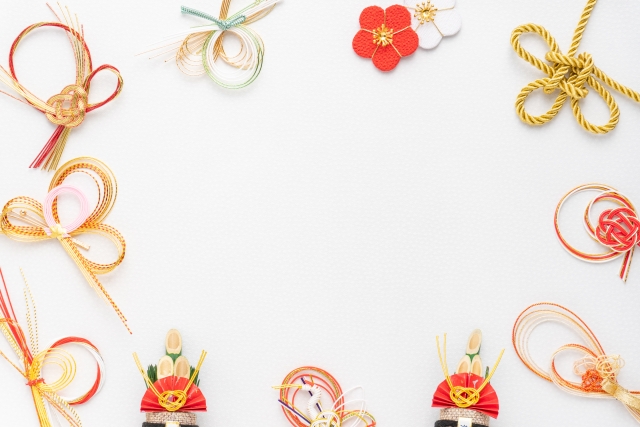
Have you ever seen beautifully tied decorative cords on envelopes or gifts in Japan?
They are called “mizuhiki,” a traditional Japanese decorative cord. At first glance, it may look like a Japanese-style ribbon, but mizuhiki is much more than simple decoration. It represents respect, good wishes, and the bond between people.
How Is Mizuhiki Different from a Ribbon?
A ribbon can be untied easily. Mizuhiki, on the other hand, is said to become tighter the more it is pulled.
For this reason, mizuhiki symbolizes strong relationships, lasting happiness, and meaningful connections between people.
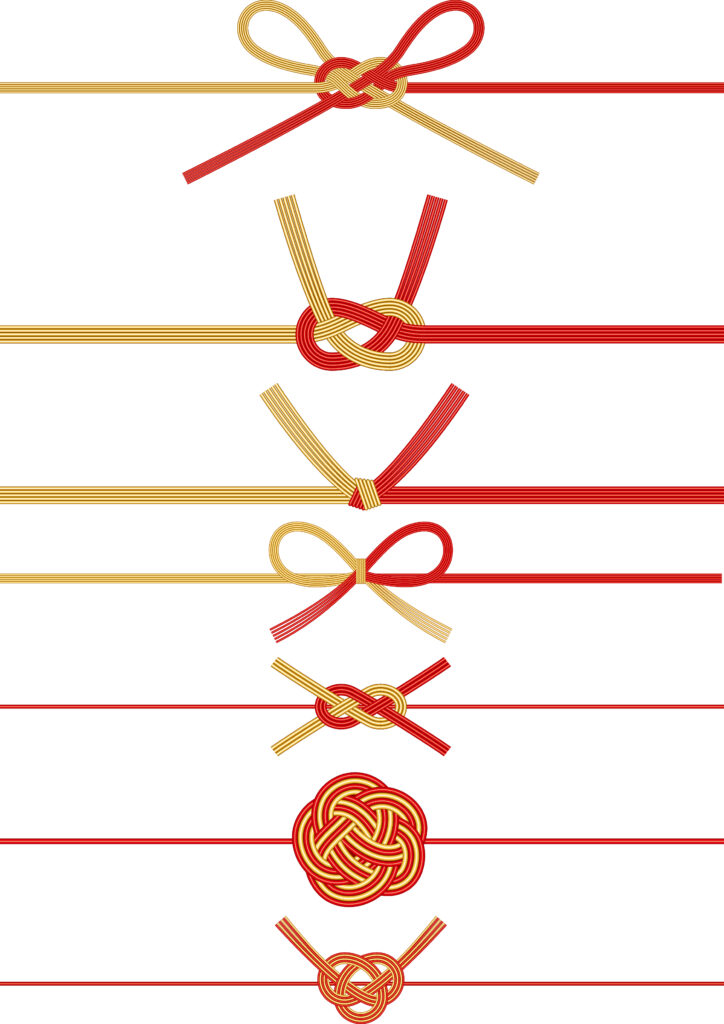
The Colors of Mizuhiki Have Meanings
The color of mizuhiki changes depending on the occasion.
Celebrations
Red and white, or gold and silver, are often used for weddings, childbirth celebrations, school entrance celebrations, and housewarming gifts.
Condolences
Black and white, silver and white, or yellow and white in some regions, are used for funerals and memorial services.
Japanese people can often tell whether the occasion is happy or solemn just by looking at the color of the mizuhiki.
The Knot Also Matters
Butterfly Knot
A butterfly knot can be tied again and again. It is used for happy events that may happen many times, such as childbirth, school entrance, promotion, or moving into a new house.
Musubi-kiri Knot
Musubi-kiri is a knot that is not easily untied. It is used for events that should happen only once, such as weddings or recovery from illness.
For example, using a butterfly knot for a wedding gift may imply “many marriages,” so it is usually avoided.
How Much Do Japanese Gift Envelopes Cost?
Gift envelopes with mizuhiki can be bought at convenience stores, stationery shops, and supermarkets.
| Type | Approximate Price |
|---|---|
| Simple envelope | 100–300 yen |
| Standard envelope | 300–800 yen |
| Luxury envelope | 1,000–3,000 yen or more |
In general, the more money you give, the more formal or elegant the envelope should be.
How Much Money Do Japanese People Give?
Wedding Gift Money
| Relationship | Typical Amount |
|---|---|
| Friend or colleague | 30,000 yen |
| Relative | 50,000–100,000 yen |
| Boss or coworker | Around 30,000 yen |
In Japan, the numbers 4 and 9 are often avoided because they are associated with unlucky meanings. Therefore, amounts such as 40,000 yen or 90,000 yen are usually avoided.
Childbirth and School Entrance Celebrations
| Occasion | Typical Amount |
|---|---|
| Childbirth celebration | 5,000–30,000 yen |
| School entrance celebration | 5,000–50,000 yen |
Condolence Money and Funeral Envelopes
Money offered at a funeral is called “koden.” Funeral envelopes usually cost around 100–500 yen.
| Relationship | Typical Amount |
|---|---|
| Acquaintance or neighbor | 3,000–5,000 yen |
| Friend | 5,000–10,000 yen |
| Relative | 10,000–50,000 yen or more |
For condolence money, people usually avoid using brand-new bills. This expresses that the death was sudden and that the money had not been prepared in advance.
The Origin of Mizuhiki
There are several theories about the origin of mizuhiki. One story says that goods sent from China to Japan were tied with red and white cords. Japanese people may have misunderstood this as a gift-giving custom, and the practice later developed into mizuhiki.
Whether this story is true or not, mizuhiki has become a beautiful and unique part of Japanese culture.
Conclusion
Mizuhiki is not just decoration. It expresses respect, human connection, and the Japanese spirit of thoughtful gift-giving.
If you ever attend a wedding, funeral, or celebration in Japan, take a closer look at the mizuhiki. Its color and knot may tell you more than you expect.